Cockfosters to merryhills brook September 14, 2026
Accessibility and Navigation:
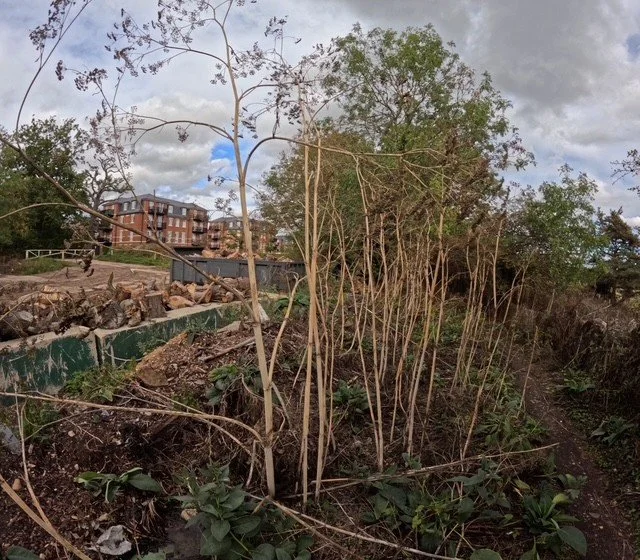
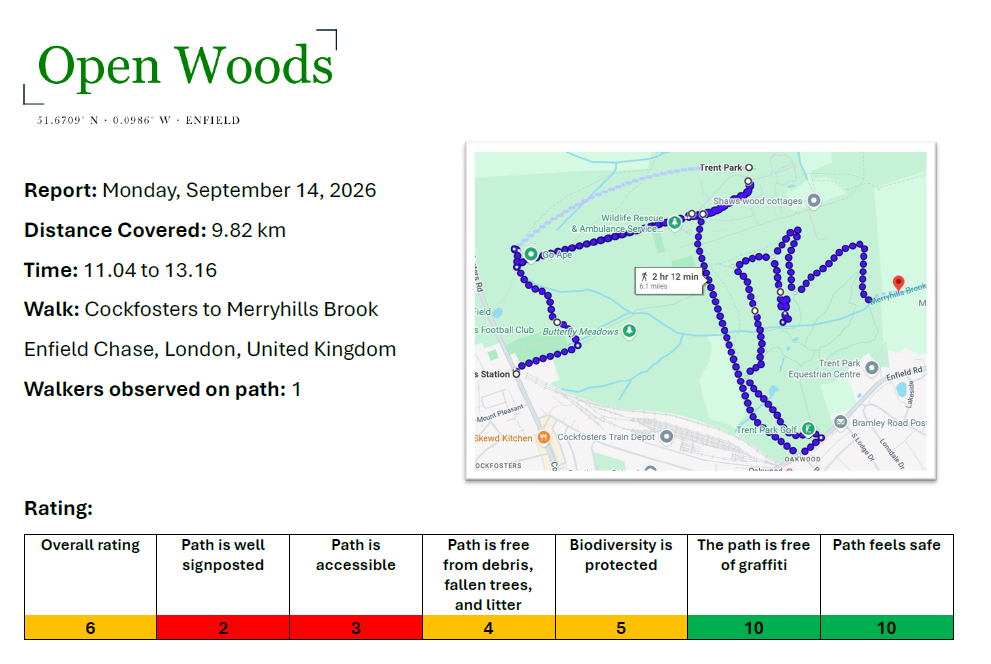
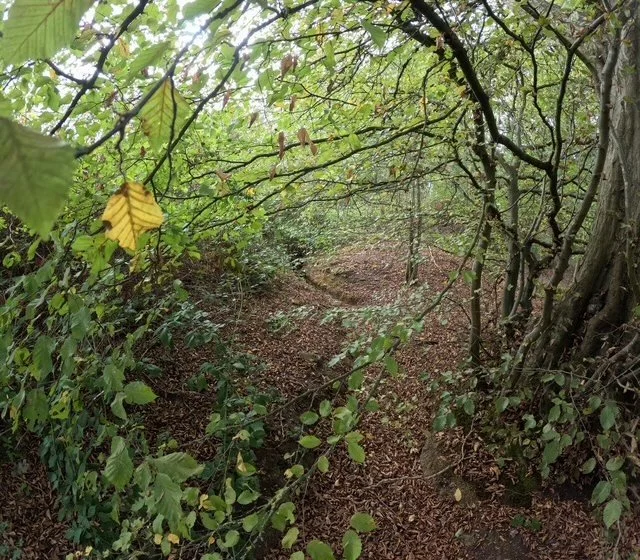
This is a winding path, with some areas restricted to narrow passages or blocked by trees. On a few occasions, I had to crawl through overgrowth or tiptoe over broken styles or cracked walkways to keep progressing on the path. No waymarkers or useful signage were in sight, so I relied on my intermittent GPS to navigate. Some work could improve the right of way. There is not enough signage for walkers unfamiliar with the area. I spent much of today zig-zagging, crawling into deep ditches, and navigating the edges of the area to better understand the impacts of construction, walking-path maintenance, and usage.
Fallen Trees & Debris: There were some fallen trees across the walking path; no litter was widely observed in the woods, albeit some litter and dog fouling were noted near new housing at the edge of Trent Park.
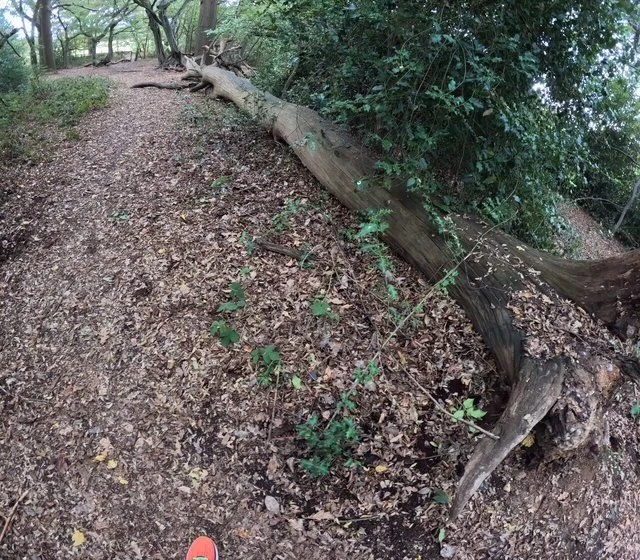
Safety: No anti-social behaviour or other threats encountered.
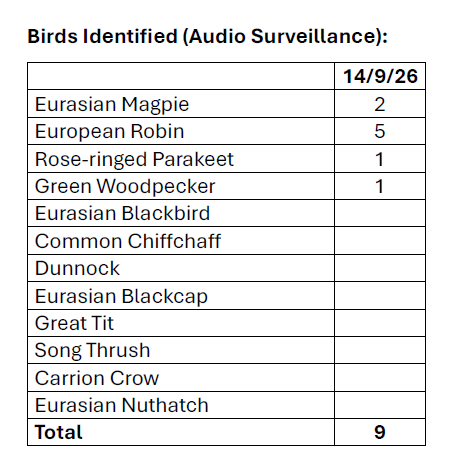
Biodiversity: There has been a loss of plant and tree life to make way for newly constructed houses and therefore loss of biodiverse protected land. I walked from Cockfosters station for quite some time before I could observe birdlife. Recently built houses in Trent Park and the golf course have reduced trees and shrubs and pushed birds into greener havens in the woods. From the tube station, I first heard bird sounds during the walking survey via audio surveillance at TQ 294 970. Bird life was more abundant as I approached Merryhills Brook from Trent Park. I was delighted to hear the yaffle of a Green Woodpecker who was poodling about the lawn and grounds. The trees and lush plant cover meant that water sources and the ground were moist. Mushrooms and moss were widely observed, supporting the ecosystem. The area benefited from horse manure left by a nearby equestrian centre, which attracted insects.